The adoption of electric mobility is increasing across metro cities, creating new opportunities for sustainable transportation. People living in Tier-II & Tier-III cities can visit Tarmac Motors to switch to EVs, as they are the most reliable and affordable options for daily commuting. Therefore, the following blog will shed light on the different challenges and opportunities of using EV vehicles in the cities.
The people living in Tier-II and Tier-III cities are mostly seen to be switching to EVs, and they are also the places that offer growth opportunities. In the cities, the population is growing day by day, so they are looking for mobility solutions that are more reliable and efficient. EV scooters are mostly sold in these markets because they come with low running costs, are eco-friendly, and have easy maintenance compared to fuel-powered vehicles.
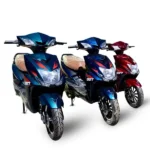
The presence of brands such as Tarmac Motors is increasing the supply of pocket-friendly and reliable EV scooters. These scooters are designed in such a way as to make it easy for daily commuting in less time. They also offer different types of models, incorporated with advanced features such as strong motor power, long battery life, and anti-theft systems, making them efficient for both commercial and personal use.
Therefore, while the demand is growing in such cities, Tarmac Motors, a leading EV dealership, is willing to reach the small markets. However, there are several unauthorised dealers present in the Indian market, but Tarmac Motors makes the accessibility of the EV scooters easier in emerging cities.
The increasing infrastructure poses one of the biggest challenges in the adoption of EV scooters in big cities. This is mainly because many cities still don’t have charging stations, support systems, and service centers. Such barriers lead to “range anxiety” within the potential buyers who worry about the battery life during long travel or daily transportation. In many growing cities, the registrations of EVs are increasing, but they are still failing within the charging infrastructure.
Many people have limited knowledge or access to reliable service networks, leading to slow adoption. So, without the presence of proper guidance, people are hesitating to purchase EVs, and they are still dependent on petrol-based vehicles. Thus, people are failing to acknowledge such eco-friendly and affordable options.
However, in the middle of all these challenges, the presence of a reliable EV dealership is very important. So, companies such as Tarmac Motors are closing such gaps by offering affordable EV scooters with proper customer support systems and expanding their dealership in the emerging market. The EV scooters they design successfully deliver smooth performance with low-cost maintenance and operating charges.
Government policies are enhancing the adoption of electric vehicles across India. The government has incorporated new schemes named the Faster Adoption and Manufacturing of Electric Vehicles (FAME) program, which offers financial incentives for every EV user. The presence of these subsidies is decreasing the purchase cost of EVs and supports the development of charging infrastructure.
Additionally, along with the incentives, the state governments are offering several advantages such as registration fee exemptions, road-tax waivers, and purchase subsidies. So, offering such incentives makes the EV more affordable and encourages people in Tier-II and Tier-III cities to purchase these.
While the EV market is evolving, the presence of an EV dealership network helps connect people connect with these policies. Companies such as Tarmac Motors help the customers understand these government incentives by offering reliable EV scooters.
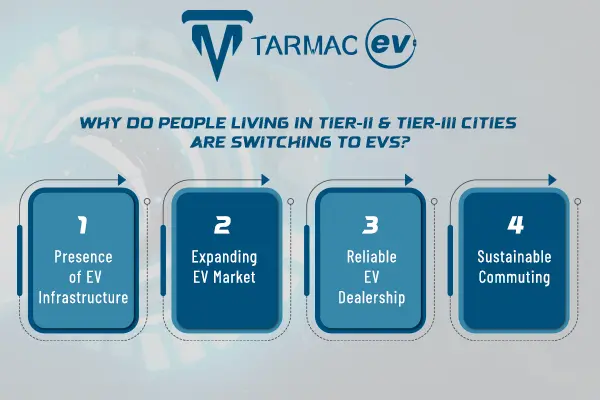
To sum up, Tarmac Motors is helping people living in Tier-II and Tier-III cities to switch from petrol-based vehicles to EVs by creating awareness, promoting affordability, and sustainable means of transportation.